

Psychosomatic Psychotherapy
Psychotherapy clients frequently present with bodily distress and symptoms affecting one or various organ systems, and an underlying physical pathology may or may not be detectable. In such cases, the deeply rooted psychological complexes function as the underlying factor that contributes to the development of the physical problem. In Psychosomatic psychotherapy, we work towards the identification and processing of such complexes, which in turn leads to an improvement in the functioning of the mind and the physical body.
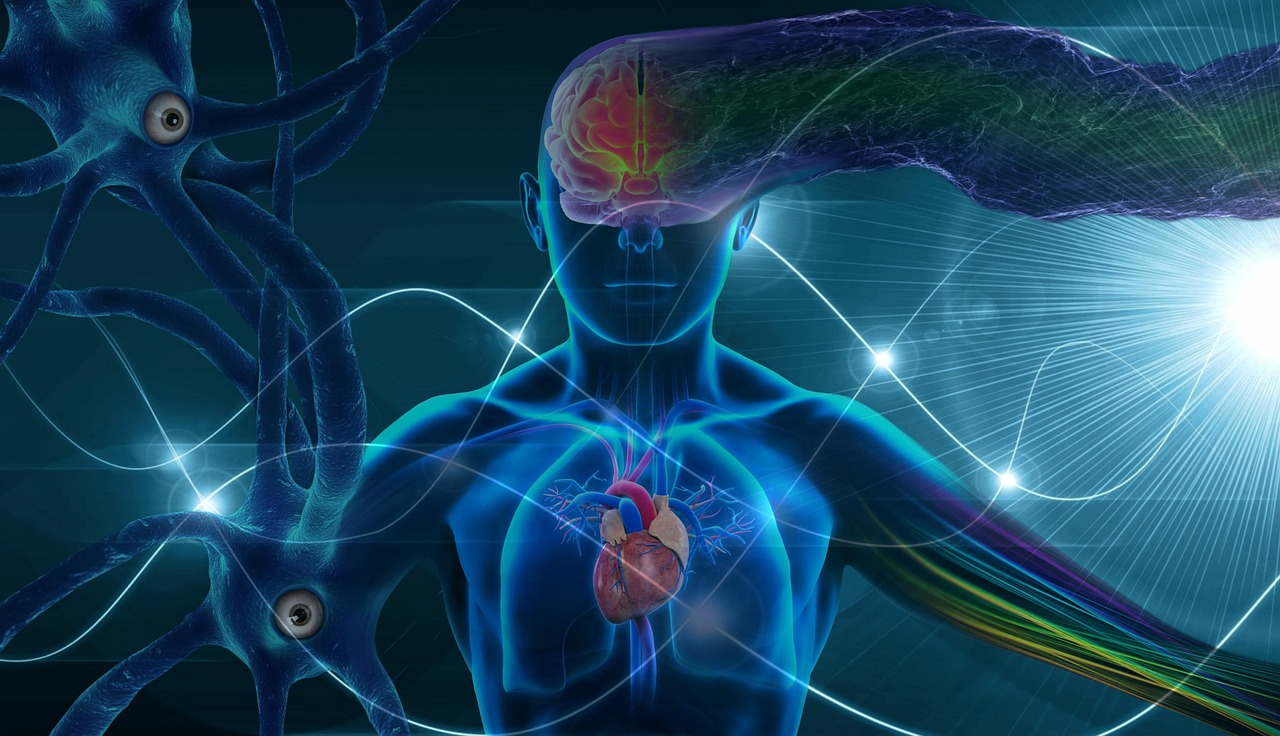
How is body and mind connected?
Clients at all levels of health care frequently suffer from bodily complaints, such as pain in different locations of the body, from fatigue, or from disturbances of the cardiovascular, gastrointestinal, or other organ functions. Many patients complain of multiple symptoms concurrently and over time, but some suffer from only one persisting symptom. Suffering is not confined to the experience of bodily complaints; it also entails psychological and behavioural aspects like high and persistent anxiety, persistent low mood, and checking behaviours. In some cases physical symptom do not recede in the process of physical therapy, or there are are frequent remissions. This indicates the presence of an underlying factor that contributes to the development of a physical problem/symptom. In psychotherapeutic terms, these factors are called complexes. A psychological complex is an unconscious cluster of emotions, memories, and perceptions that influence behaviour and thought often without the individual’s awareness. If not resolved, it can present itself on the body level typically as a symptom.
What physical symptoms can Psychosomatic Psychotherapy help with?
Psychosomatic Psychotherapy can work with a variety of symptoms that affect different systems of the body. For example, it is common that disturbances of the cardiovascular system are psychosomatic in nature. Psychological interventions can reduce the occurrence of MI, arrhythmia, and angina in patients with cardiovascular diseases.
The digestive system and mental health are closely linked through a what is called a “gut-brain axis,”. It is a two-way communication system where various mental health stressors can cause digestive issues like bloating and diarrhoea, and other gut problems. Our gut is a major producer of the neurotransmitter serotonin, and the gut microbiome influences mood and stress response, while stress can trigger physical digestive symptoms. Conditions like Irritable Bowel Syndrome (IBS) are linked to anxiety and depression due to this connection. Complaints such as IBS can be relieved if the underlying psychological complex is resolved.
The reproductive system can be affected by psychological suppression. For example, individuals suffering from chronic pelvic pain or endometriosis are more likely to be emotional suppressors. If this suppression is explored and repressed in psychotherapy it then lead to partial, or complete remission.
How is Psychosomatic psychotherapy delivered?
In our service, Psychosomatic psychotherapy is delivered in both group and individual therapy settings. This is determined during the initial assessment, in order to maximise the positive effects of therapy.
What next?
If you feel that you need to explore your psychosomatic issues please call, or email us. We will respond to your message soon to arrange a session.